
Stance
Feet shoulder-width, knees soft, rear heel slightly raised. A balanced stance keeps you ready to move and strike.
Boxing Basics
These essentials build balance, control, and awareness. Learn them early and every combination feels sharper, safer, and more effective.
Feet shoulder-width, knees soft, rear heel slightly raised. A balanced stance keeps you ready to move and strike.
Hands high, elbows tucked, chin down. The guard protects your head and body while keeping punches ready.
Step, slide, and pivot without crossing feet. Good footwork keeps distance control and creates angles.
Start with jab, cross, hook, and uppercut. Snap from the floor up and return to guard.
Use slips, blocks, and rolls. Defense starts before the punch lands and ends with a counter.
Know your position at all times. Cut angles, avoid ropes, and keep your opponent in view.
These guides break down the essential pillars of boxing training into actionable blocks. Each phase builds on the last—starting with smart movement prep, moving through technique and power development, and finishing with recovery practices that keep you consistent and injury-free.
Rotate these components through the week to balance skill work, conditioning, and recovery. Consistency beats intensity spikes.
Prime joints and nervous system with jump rope, dynamic mobility, and footwork patterns. Keep intensity gradual to unlock speed and balance without fatigue.
Build clean combinations, defensive flow, and ring positioning. Work in short rounds with a focus on precision, head movement, and rhythm.
Alternate power rounds with technical rounds. Emphasize body shots, distance control, and exit angles to mirror live sparring pace.
Focus on rotational power, core stability, and repeat-sprint conditioning. Keep sessions compact to preserve technical sharpness.
Prioritize sleep, hydration, and mobility. Add light aerobic work and stretching to reset the body so you return to the gym fast, loose, and ready.
Fight analysis
Great analysis starts with structure. Learn to spot the patterns behind every exchange and understand why a fight swings from one corner to the other.
Notice who owns the range. The fighter controlling the center and choosing when to step in or out is often dictating the pace.
Compare style clashes: pressure vs. counter, southpaw vs. orthodox. Each matchup highlights different openings and risks.
Famous Boxers
From the golden era to modern dominance, these fighters redefined technique, charisma, and competitive standards. Their styles still influence how boxing is taught, watched, and judged today.
Why they matter
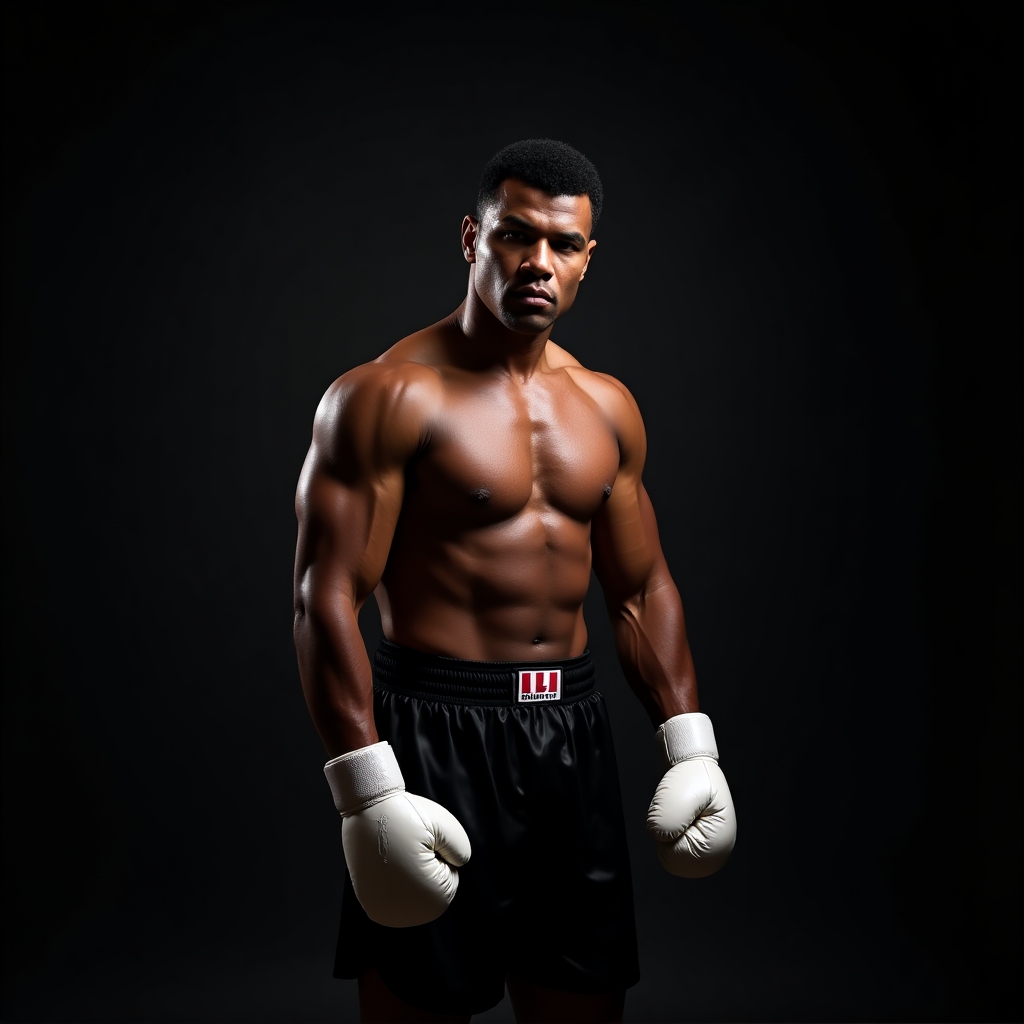
1960s–1970s • Heavyweight
Ali fused speed with psychological warfare, mastering footwork and angles at heavyweight. His cultural impact made boxing a global stage for voice and identity.

1970s–1980s • Lightweight to Middleweight
Durán brought ferocious infighting and body work to the forefront, proving that pressure, toughness, and ring IQ can travel across divisions.
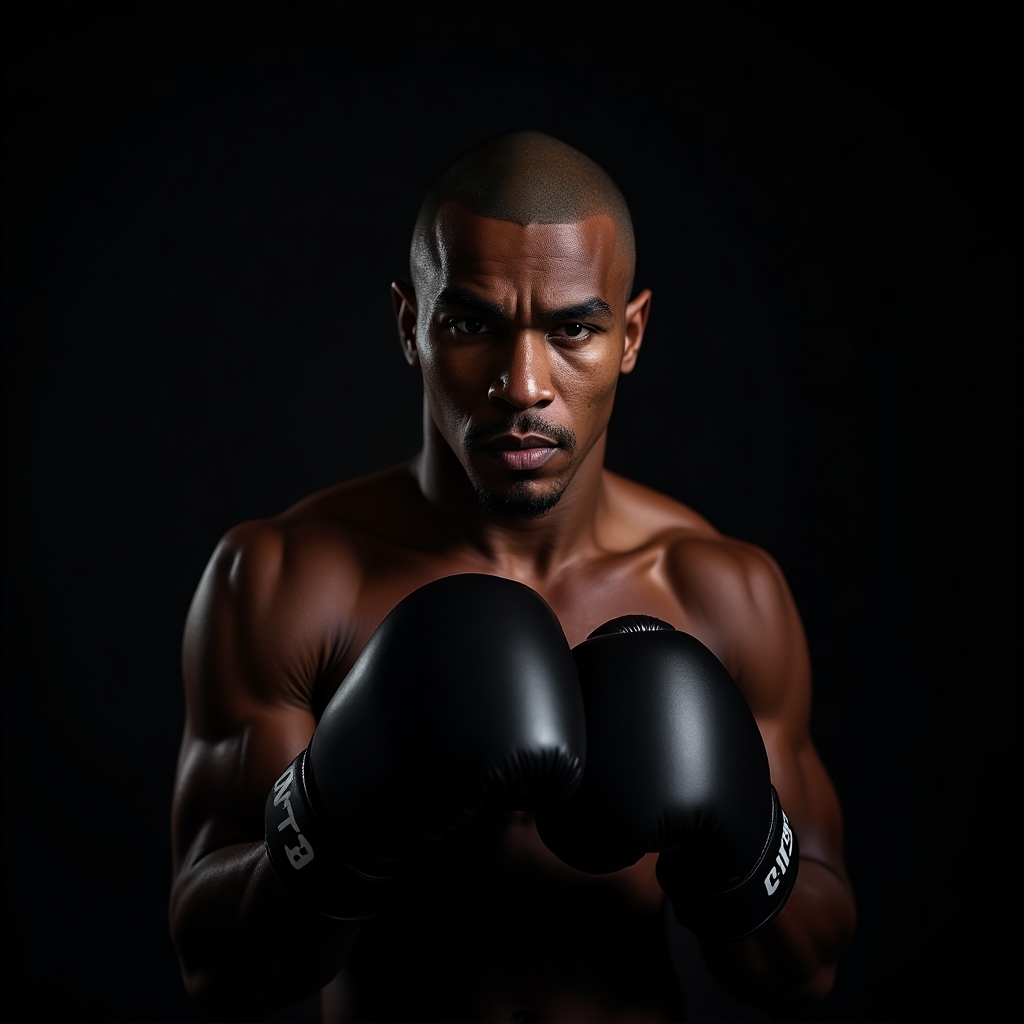
1980s–1990s • Heavyweight
Tyson’s explosive peek-a-boo pressure and knockout power changed how early-round dominance was viewed, raising the bar for fear factor and aggression.
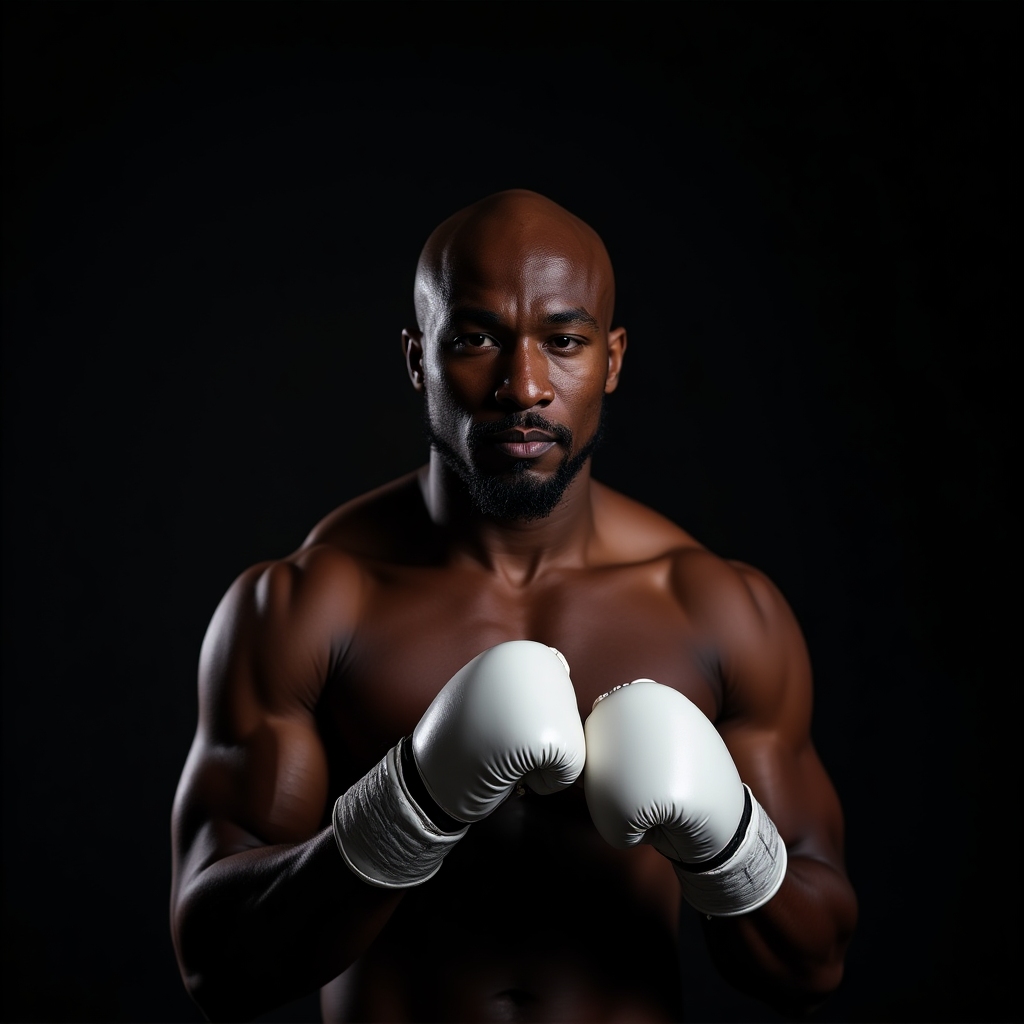
1990s–2010s • Multiple divisions
Mayweather’s defensive precision and elite conditioning redefined efficiency in the ring, proving that discipline and timing win at the highest level.
Latest News
A magazine-style snapshot of what’s shaping boxing right now — title bouts, rankings movement, training evolutions, and the next wave of elite prospects.
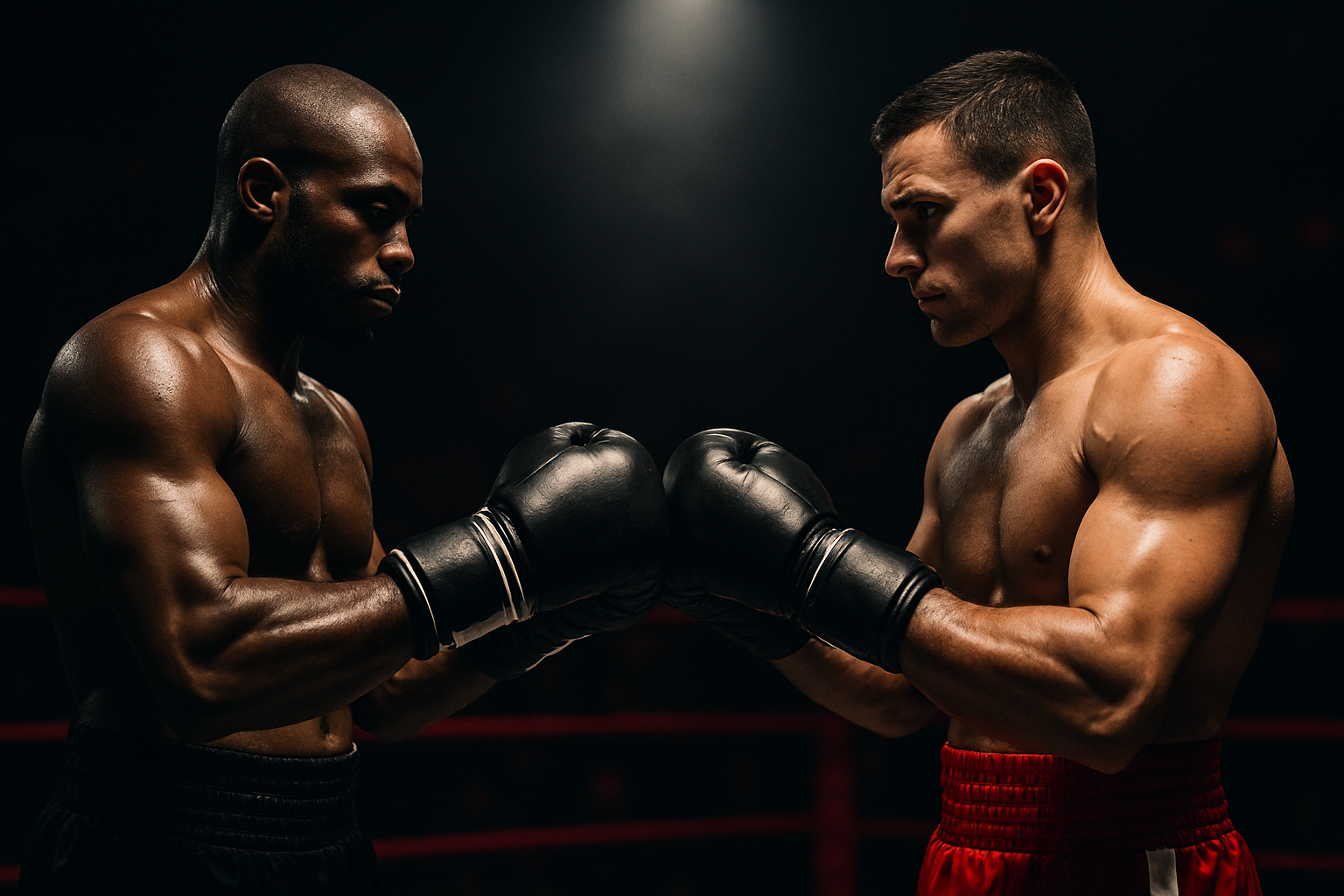
Title Fight Spotlight
A double-header of championship clashes has reshaped contender positioning. Expect strategic rematches and fresh rivalries as belts consolidate and mandatory challengers line up.
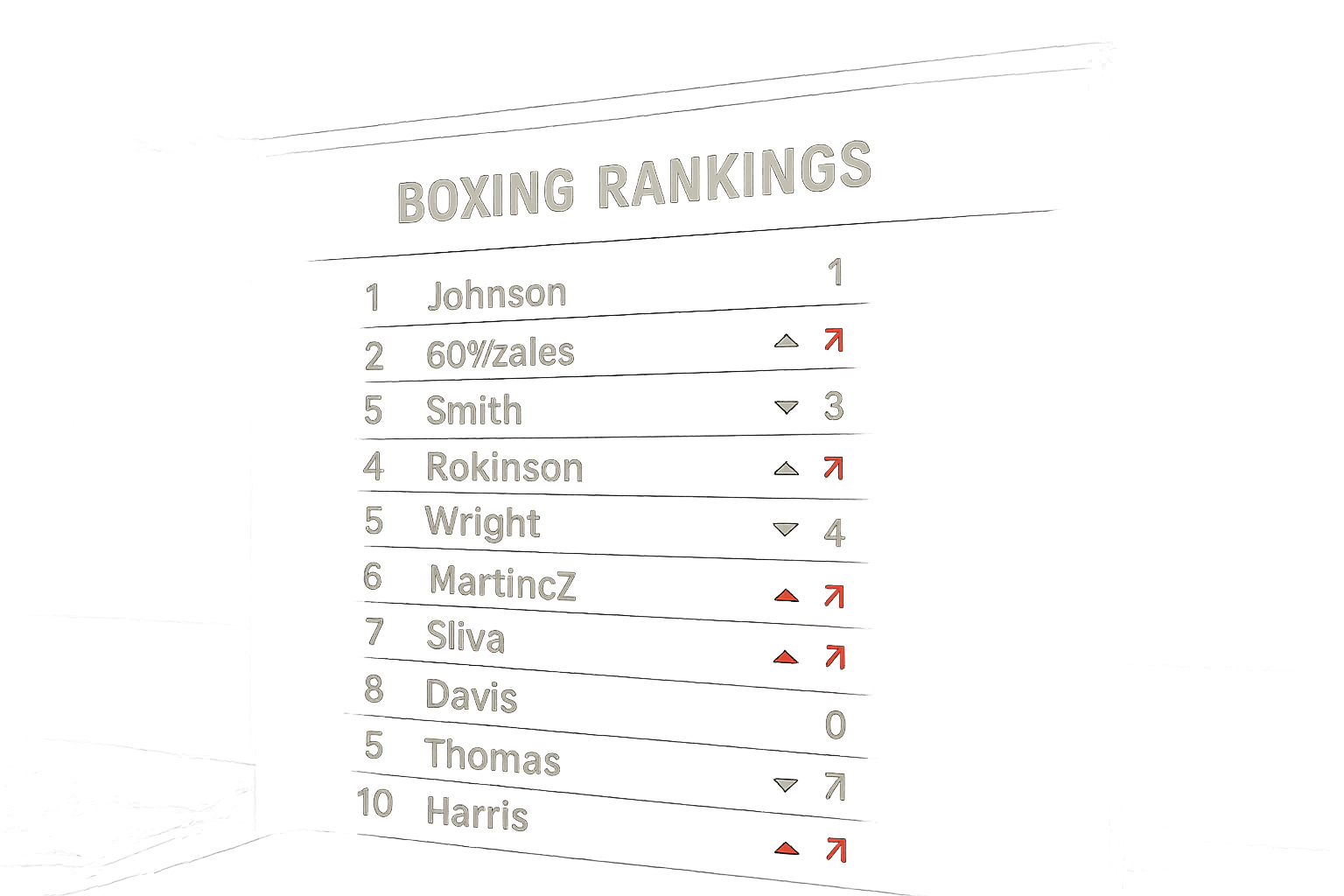
Rankings
Expect fresh eliminators as top-10 shakeups create multiple paths to the belt.
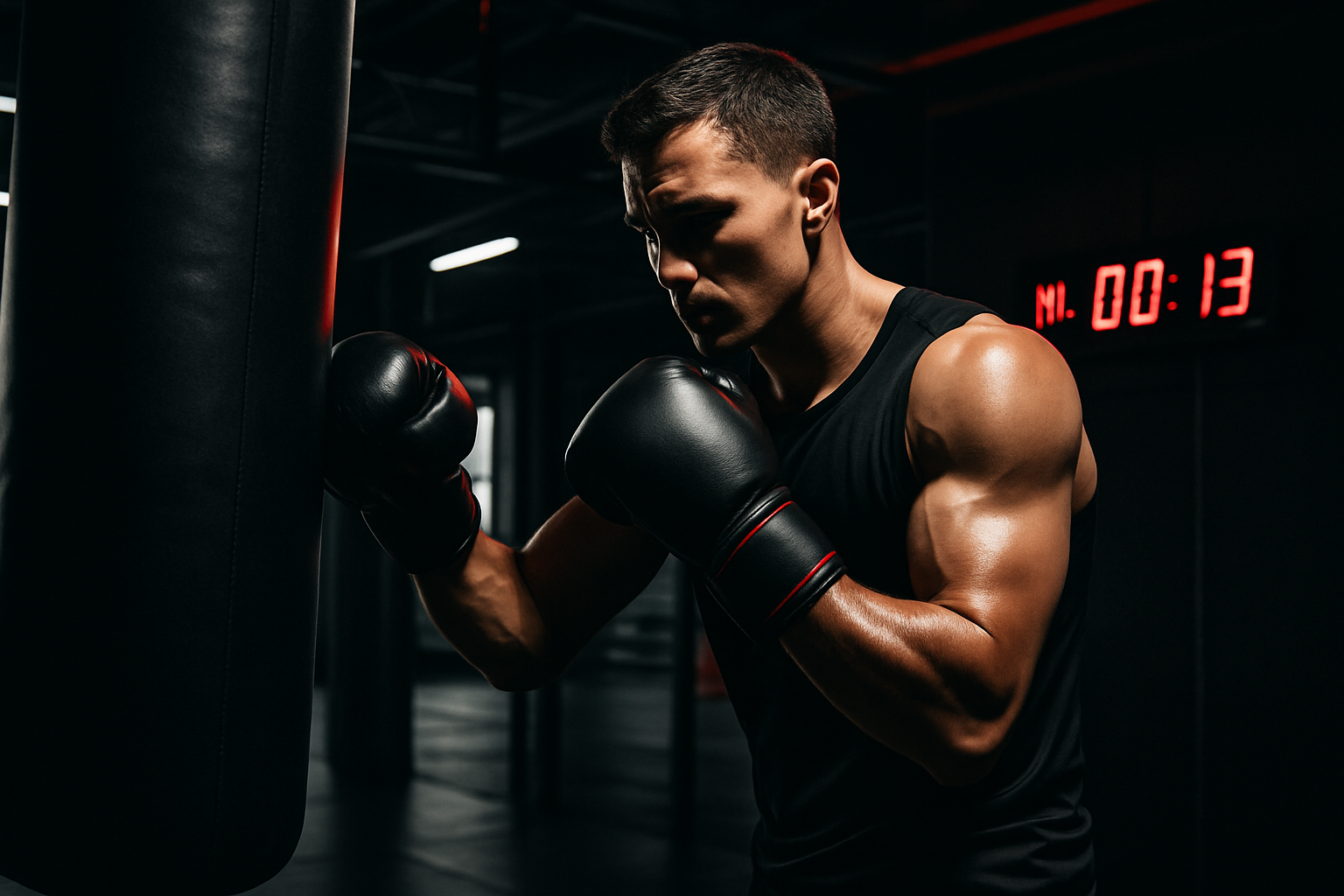
Training Trends
Gyms are prioritizing tempo control, bounce drills, and recovery-focused rounds.
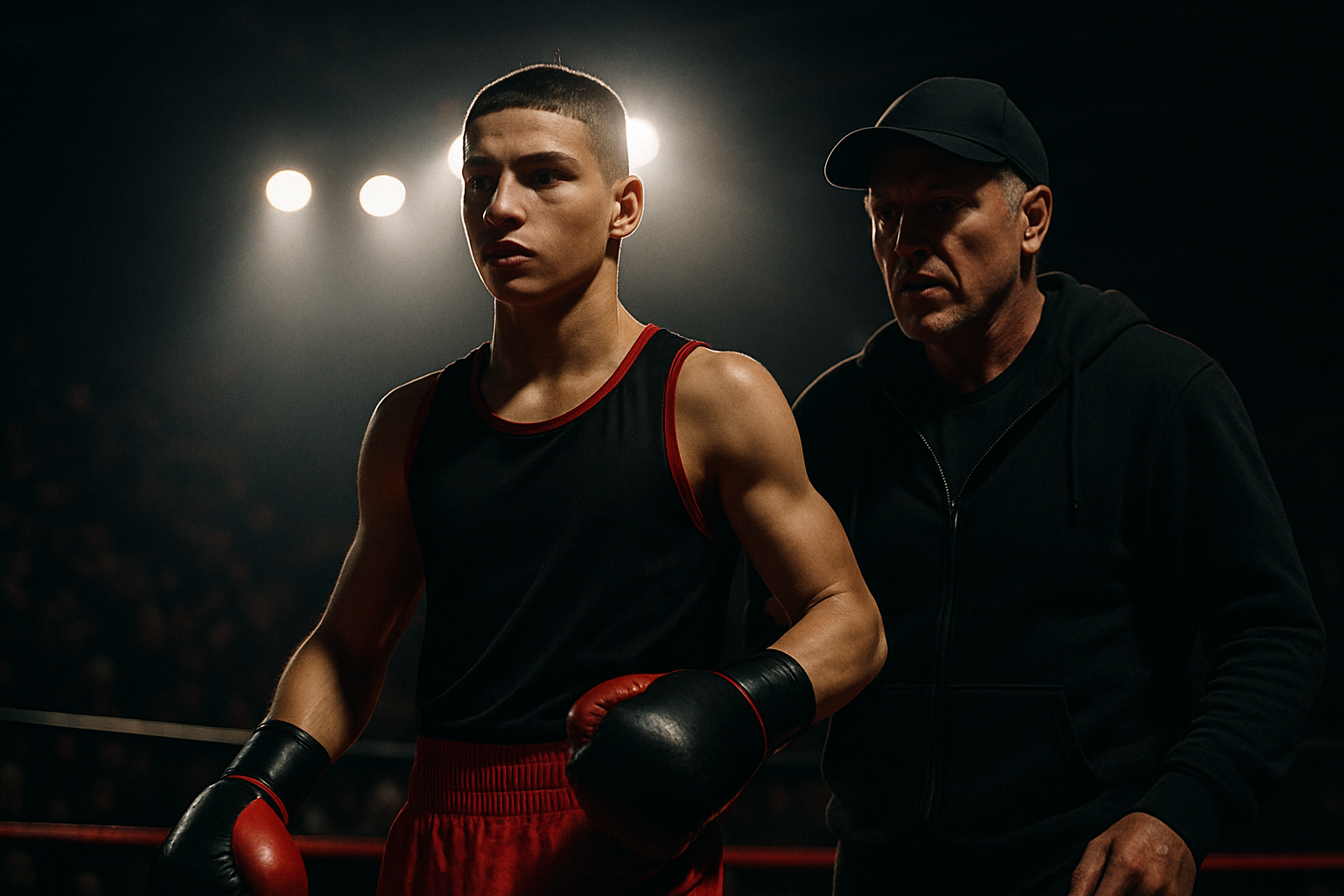
Prospect Watch
Promoters are lining up showcase fights to test composure and durability.
FAQ
Clear, beginner-friendly guidance so you can step into training with confidence. These answers focus on fundamentals, expectations, and how to follow the sport.
Quick start tip
Start with a reputable gym, basic gloves and wraps, and focus on footwork and guard before power.
Find a local boxing gym with beginner classes, schedule a trial session, and focus on learning stance, guard, and basic footwork before worrying about power.
Start with hand wraps, 14–16 oz gloves, a mouthguard, and comfortable training shoes. Most gyms supply bags and pads.
Boxing builds cardiovascular endurance, coordination, core strength, and mental focus. It’s a full-body workout with high calorie burn.
Most beginners feel stronger and more coordinated in 6–8 weeks of consistent training. Skills grow faster when you train 2–3 times per week.
Training focuses on drills, conditioning, and technique. Sparring is controlled practice with a partner and usually happens after you’ve built solid fundamentals.
Track rankings and upcoming cards, watch major title fights, and read post-fight analysis to understand styles, strategies, and storylines.